




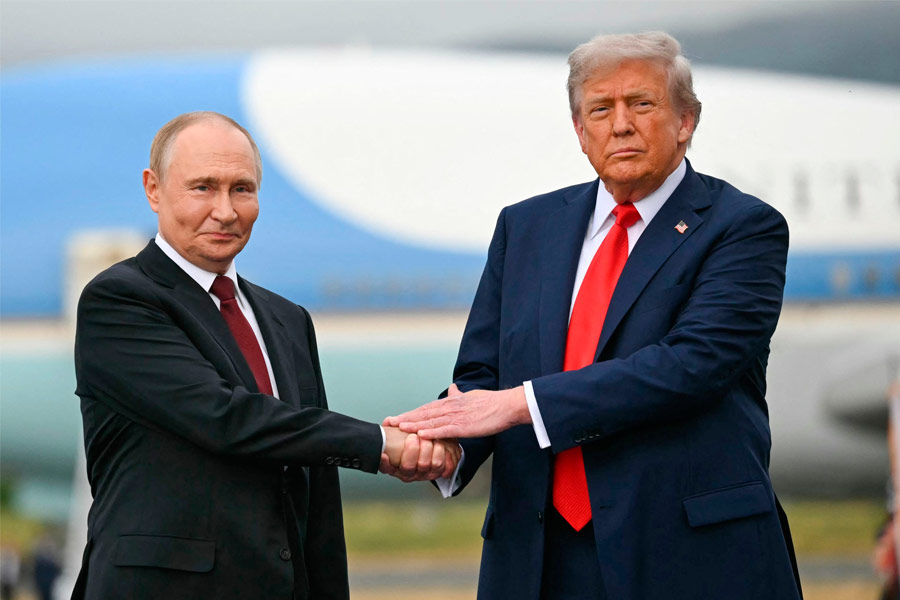
Following the meeting between Trump and Putin in Alaska last August and several months of intense negotiations, it seems that the signing of a peace agreement to end the war in Ukraine may be close.
On November 20, media outlets worldwide reported on Trump's proposed 28-point plan, which almost entirely incorporated the Kremlin's demands. Several media outlets even speculated that the document had been drafted in Moscow and that the US government had simply translated it into English. Putin has since denied any knowledge of the proposal. But we are all too familiar with the manoeuvres of diplomacy. The important thing is to understand why Trump is proposing this solution and what the underlying trends are that would allow an agreement of this nature to succeed.
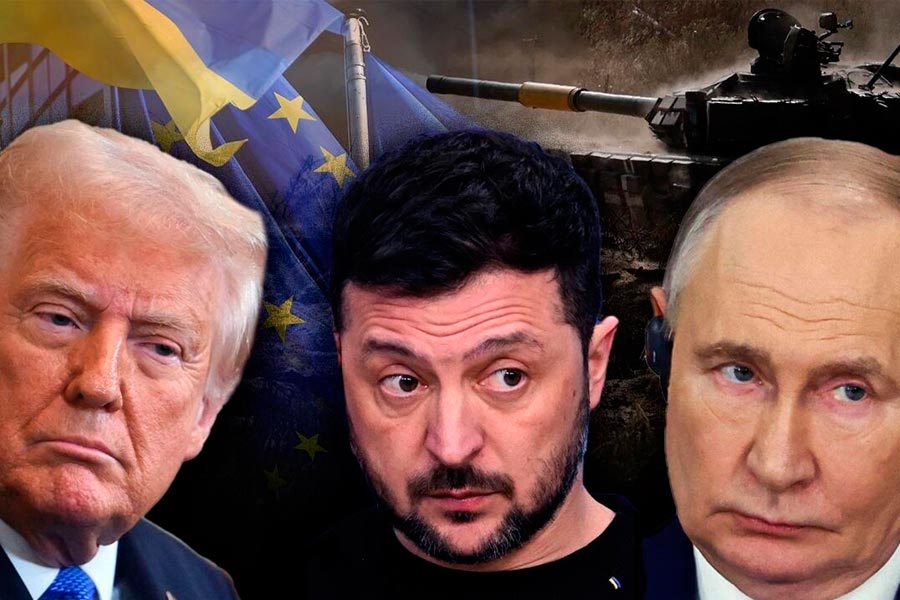
In the days following the announcement, three-way talks took place in Geneva between the US, the EU, and Ukraine, with very bitter results for the European warmongers, who may be forced to compromise on what they had so grandiloquently proclaimed they would never accept from the begining of the conflict. A new summit between the US and Russia, the two powers that, despite the charade staged by the leaders in Brussels, are the only ones capable of deciding when and how this war will end, will be held in the near future.
An indisputable Russian victory
Of course, it is not out of the question that the wording of the points in Trump's plan may be modified to soften the bitter and humiliating pill that the EU leaders and the Ukrainian government will have to swallow, but everything points out that there is no turning back on the recognition of the victory of Putin and his regime.
Neither on the battlefield nor in the economic war against Russia, carried out through all kinds of trade and financial sanctions and the seizure of large economic reserves abroad, have the Western powers been able to subdue the military machine of Russian imperialism or the economic and financial support that China has given to the Putin regime.
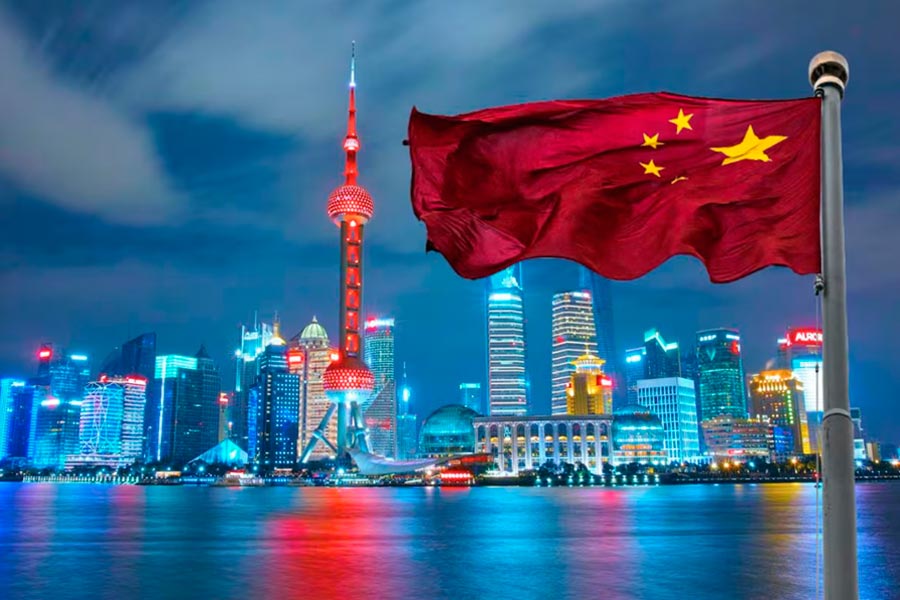
The new imperialist bloc that is forming around Beijing has convincingly demonstrated that its power is capable of challenging and successfully resisting the offensive launched against Putin after the bloody Ukrainian Euromaidan of 2013 and 2014.
Trump's proposal acknowledges this fact and accepts Putin's main demands: a reduction of Ukraine's future armed forces to 600,000 troops; a clause in the Ukrainian Constitution preventing entry into NATO and the inclusion in NATO's statutes of a provision preventing Ukraine's future accession, a waiver of the stationing of NATO troops on Ukrainian soil; the resumption of operations at the Zaporizhzhia nuclear power plant with equal sharing of the electricity produced between Russia and Ukraine; and, as the culmination of the open acceptance of defeat, recognition of Crimea, Luhansk, and Donetsk as Russian territory, including the territories still controlled by the Ukrainian army, and a freezing of the front line in the Kherson and Zaporizhzhia regions, which will amount to a de facto recognition of Russian sovereignty in those territories.
Trump takes advantage of the defeat to come out on top in the division of the spoils.
From the beginning of his term, Trump and his government team - which, let's not forget, is full of direct representatives of the US capitalist class - have made it clear that the war in Ukraine was lost and that the money spent by Biden to support Zelensky was money thrown in the trash.
Despite Trump's criticism, Biden's support was far from altruistic. The European Union paid dearly for it, being forced to replace Russian gas with American gas four times more expensive and paying exorbitant prices for a large portion of the military supplies delivered to Ukraine by US defence contractors.
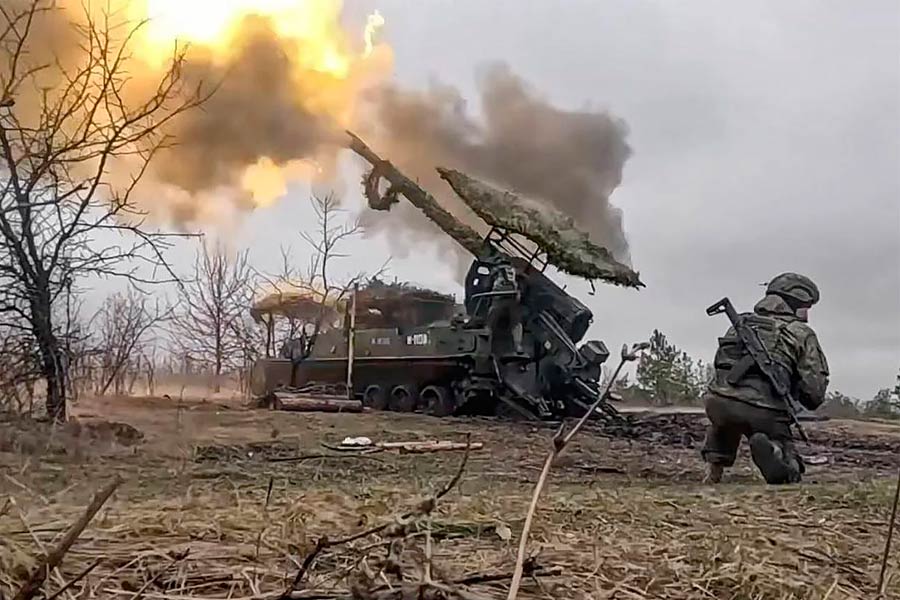
The consequence of these economic burdens, obediently accepted by the rulers of the EU and by a European ruling class that for many years has subordinated its fate to the Yankee financial oligarchy, has been a serious recession in Germany and the widespread impoverishment of the working class of the old continent.
But these European sacrifices are still not enough for Trump. The American bourgeoisie is aware that it has not only lost a fundamental battle, but that its position in the face of future and inevitable clashes with Chinese capitalism has been significantly weakened.
That is why the plan attempts to mitigate the defeat by re-establishing economic relations with Russia and trying to recover the important positions that American capital achieved in that country during the times of Boris Yeltsin.
Consequently, Trump's plan envisions Russia's reintegration into the global economy and the G-8. Sanctions would be lifted, and Russia and the US would sign a long-term economic cooperation agreement for mutual development in energy, natural resources, infrastructure, artificial intelligence, data centers, and Arctic mining projects, and, of course, to guarantee US exploitation of Ukraine's mineral resources in the immediate post-war period.
The future of Russia's frozen funds is also included in Trump's proposal, with outrageous advantages for the US and an additional penalty for EU countries, which would have to contribute $100 billion in grants for the reconstruction of Ukraine. To these funds would be added a nearly equal amount ($86 billion) taken from frozen Russian assets, and this immense sum of money would be managed by the US, which, with Moscow's blessing, would receive 50% of the profits from this operation.
Towards a new division of the world?
Trump's drastic shift goes far beyond what is happening in Ukraine, and even beyond what is happening on European soil.
Trump has humiliated the European Union and seems to be ignoring the strongly bellicose and anti-Russian rhetoric of allies like Poland and the Baltic states. Following the economic summit with Ursula von der Leyen last July, the EU's complete subordination to Washington's strategic objectives has been firmly established.
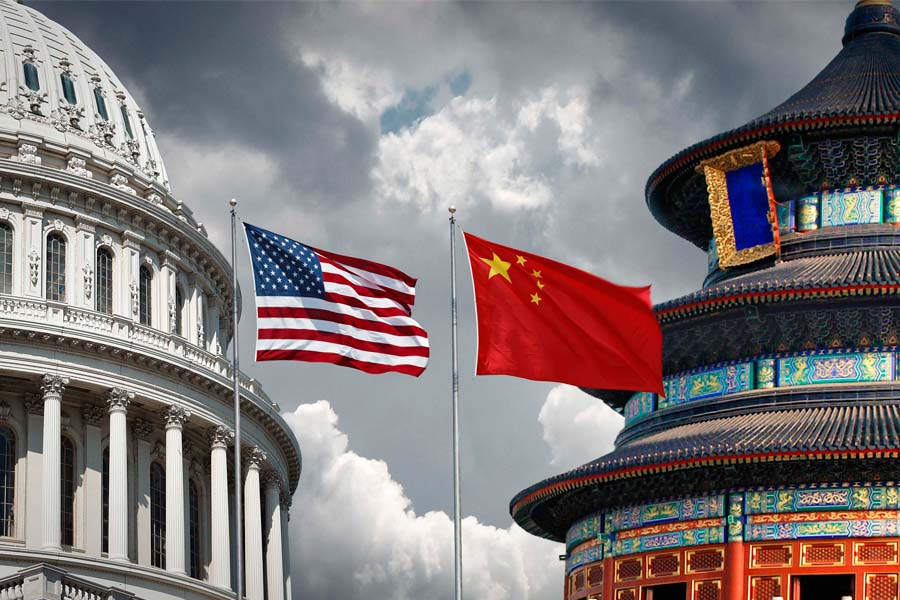
But this “victory” of Trump over a Europe in clear decline is far from compensating for the loss of US global influence in the face of the rise of China, which relies on its enormous industrial and technological power and its ability to shower the world, especially the so-called Global South, with substantial investments.
The world dominated by the US as the sole hegemonic power, the one envisioned by theorists of American imperialism after the collapse of the USSR, is cracking before it has even been consolidated. The direct trade war against China has once again crashed, for the third time, against the harsh reality of US industrial decline. Trump failed in his first term, Biden failed with his policy of technological obstruction, and Trump has failed again in his tariff war.
The Chinese state capitalist regime, fueled by Russia's energy and raw material resources, by massive flows of capital from around the world seeking safe returns—including the billions of dollars invested annually by American companies—and by extensive trade agreements with the major emerging capitalist economies (the so-called BRICS), claims its rightful place as the effective director of a substantial part of globalization.
American imperialism has already demonstrated that it will not easily relinquish its historical hegemony. It will not abandon its position without a fight to the death. Its aggression against Venezuela, its support for the Zionist genocide, and its plan to become a neocolonial power over a devastated Gaza and a new Middle East ravaged by its weapons and those of its Israeli allies, demonstrate that the battle will not end. The state of imperialist war is here to stay for a long time.
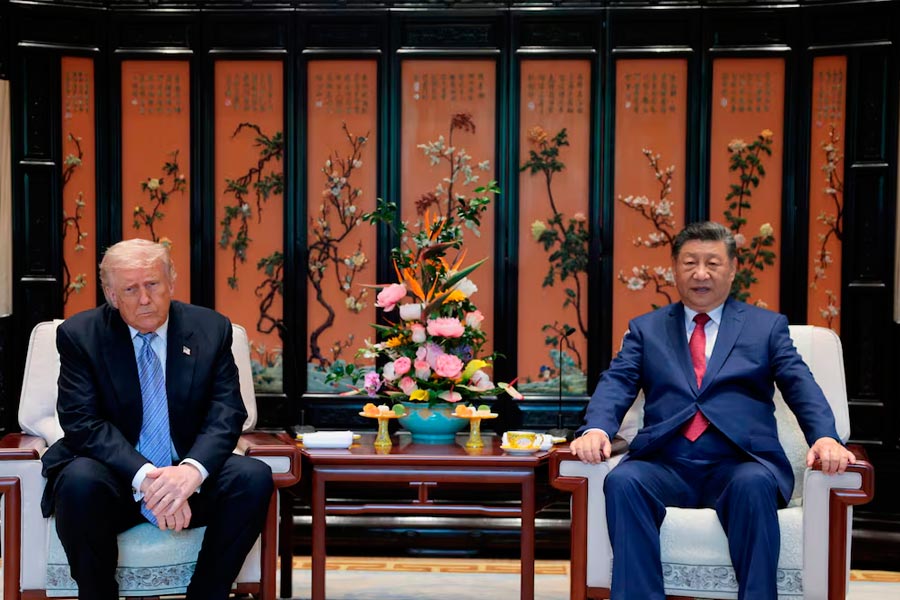
But that does not mean temporary agreements between the two imperialist blocs for the division of spheres of influence and economic spoils are out of the question. The myth of an anti-imperialist Putin or Xi Jinping has long since crumbled.
And if any doubt remained, China and Russia's position in the UN Security Council vote on Trump's Gaza plan has definitively disipated it. With their abstention, Beijing and Moscow have given Trump and Netanyahu free rein to complete the genocide of the Palestinian people, while both powers secure their share of the bloody spoils. "Gaza for you and Ukraine for me"—this is the stark summary of what is happening right now before our eyes.

But there are more reasons than Ukraine for Russia and China to turn a blind eye to the slaughter of the Palestinian people. For some years now, China has been one of the Zionist regime's main trading partners and is rapidly moving toward a leading position. The Asian giant has invested tens of billions of dollars in Israel. Three days before the UN resolution vote, Israel awarded Chinese companies, contracts for strategic energy infrastructure worth almost $7 billion, and Chinese companies have a strong chance of securing a large part of the work on the first phase of the Tel Aviv metro, valued at $17 billion.
Russia also has close ties with the Israeli business world, where a large number of Israeli citizens who emigrated from Russia maintain connections with Moscow. Furthermore, following the collapse of the Syrian regime—a close ally of Putin and militarily supported by Russia for years—and the victory of Washington's Islamist puppets, Russia has managed to retain its naval and air bases on Syrian territory. How can we not see this as a quid pro quo in the tradition of the Great Imperialist Games and their maneuvers to divide up the world, sometimes amicably, sometimes bloodily?
It is true that China and Russia are challenging Yankee imperialism, but not to destroy it, but to redistribute the parcels of power and wealth that, according to their criteria, should correspond to their increasingly powerful bourgeoisies.
The working class and the oppressed of the world cannot expect anything positive from any capitalist regime, however much it cloaks its interests in a veneer of anti-imperialist rhetoric. Only our own efforts, our organization around a class-based, communist, and internationalist program, will pave the way to a future where horrors like those in Gaza, Ukraine, Sudan, and so many other places disappear forever.